Safety Gear Cleaned to Performance Standards
Fire Suppression Cleaning in Casper for commercial and industrial equipment requiring thorough decontamination
Fire suppression gear accumulates hazardous contaminants during use that compromise both safety performance and equipment lifespan. At CY Laundry, we provide specialized decontamination for Casper-area fire departments and industrial facilities, handling turnout coats, pants, gloves, and specialized liners. Our process is designed to extract embedded particulates, oils, and chemical residues—such as polycyclic aromatic hydrocarbons—without degrading the protective thermal barriers or moisture-wicking properties of the fabric. Because safety gear is essential for daily operations, we focus on a fast, reliable turnaround to minimize downtime for your crew. By using equipment calibrated for heavy-duty materials and specialized wash formulations, we help Casper teams maintain compliance with safety standards and extend the replacement cycles for expensive protective gear. Whether you are managing a municipal fleet or a local energy job site, our cleaning protocols ensure your equipment is ready to perform when it matters most.
The cleaning process uses equipment calibrated for heavy-duty fabrics and protective materials, with wash formulations that break down carbonaceous deposits and biological contaminants while preserving moisture barriers and flame-resistant treatments. Proper extraction and drying prevent mildew growth in layered materials where trapped moisture creates bacterial environments.
Request a consultation to discuss volume requirements, turnaround expectations, and pickup logistics for ongoing equipment rotation.
What Proper Decontamination Requires
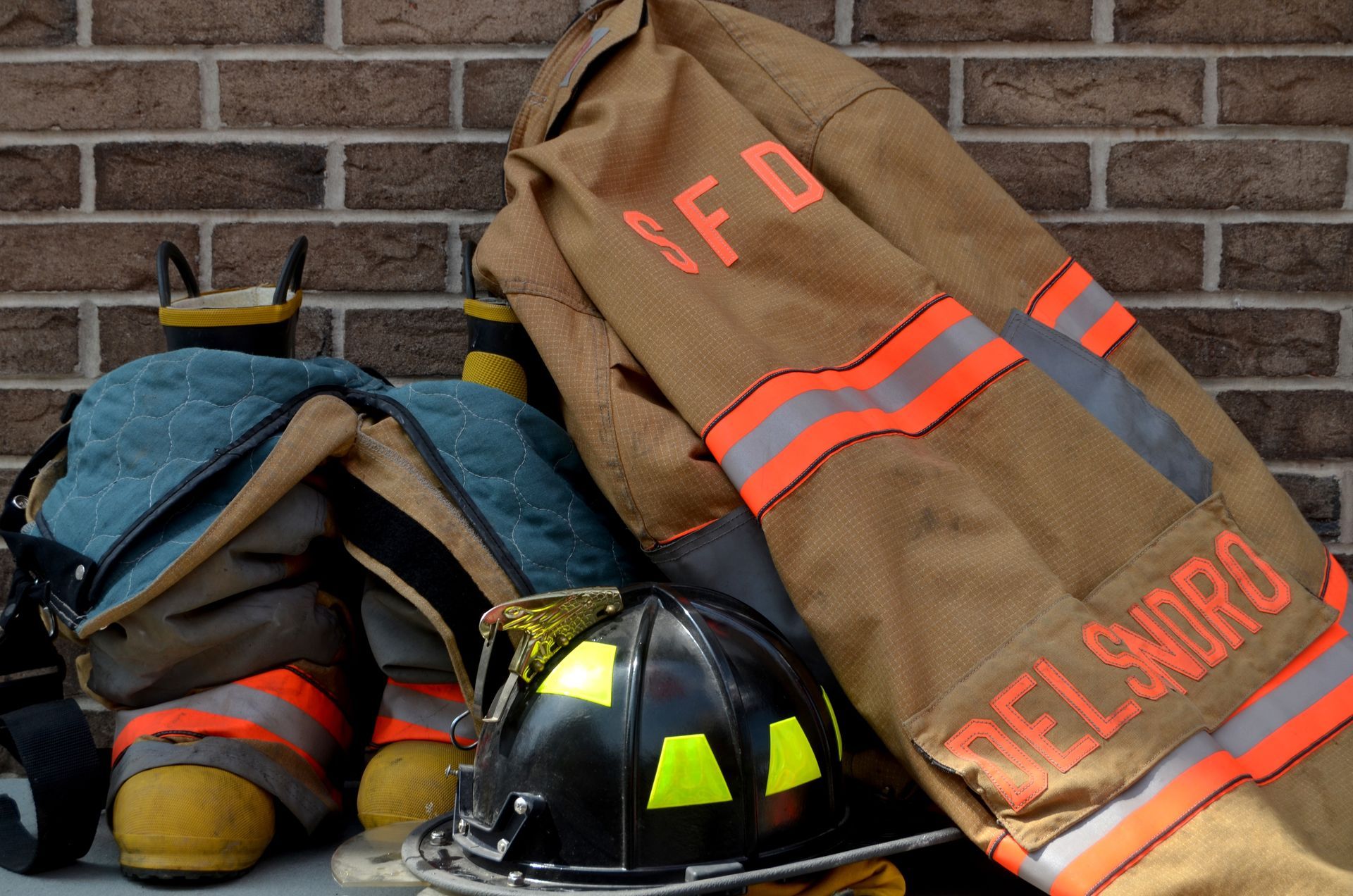
Cleaning fire suppression gear involves inspection for structural damage before processing, separation of outer shells from thermal liners when manufacturer guidelines require it, and controlled agitation that removes contaminants without overstressing seams or fasteners. High-temperature drying cycles kill bacteria and evaporate moisture from insulating layers, preparing gear for immediate return to service.
After cleaning, gear shows visible removal of soot and staining, elimination of smoke odors that indicate incomplete decontamination, and restoration of fabric flexibility that stiffness from residue buildup had compromised. Moisture barriers regain their intended water-shedding function, and reflective trim appears bright rather than dulled by particulate coating.
Turnaround aligns with operational schedules to minimize equipment downtime, with batch processing for departments rotating multiple sets of gear through cleaning cycles. Documentation tracks cleaning dates and cycles per garment, supporting maintenance records required by safety regulations and helping identify when gear approaches retirement criteria based on cumulative exposure and cleaning frequency.
Questions Before Starting Your Service
Industrial clients in Casper often need clarity on handling procedures, compliance support, and service scheduling before establishing regular cleaning protocols.
What contaminants does specialized cleaning remove that standard laundering misses?
Polycyclic aromatic hydrocarbons, diesel particulates, chemical residues from suppression agents, and biological contaminants from exposure environments all require specific wash chemistry and temperatures that general laundry equipment cannot provide.
How does cleaning affect protective coating longevity?
Properly formulated detergents and controlled mechanical action preserve flame-resistant treatments and moisture barriers, while harsh chemicals or excessive agitation degrade these coatings prematurely, reducing gear effectiveness and requiring earlier replacement.
When should gear be cleaned rather than replaced?
Cleaning extends service life until structural damage, thermal barrier degradation, or cumulative contamination exceeds safe limits, with regular cleaning intervals preventing contaminant buildup that accelerates material breakdown and creates health risks.
Why does turnaround time matter for safety equipment?
Departments with limited backup gear sets require reliable cleaning schedules to maintain adequate equipment rotation, ensuring personnel always have access to properly decontaminated protection without compromising response readiness.
How often do industrial clients typically schedule cleaning in Casper?
Frequency depends on exposure intensity and regulatory requirements, with some facilities cleaning after every incident and others maintaining monthly or quarterly schedules based on usage patterns and contamination levels.
CY Laundry handles fire suppression equipment with attention to decontamination standards and operational turnaround needs. Contact the facility to establish ongoing service agreements or arrange one-time processing for specialized gear.